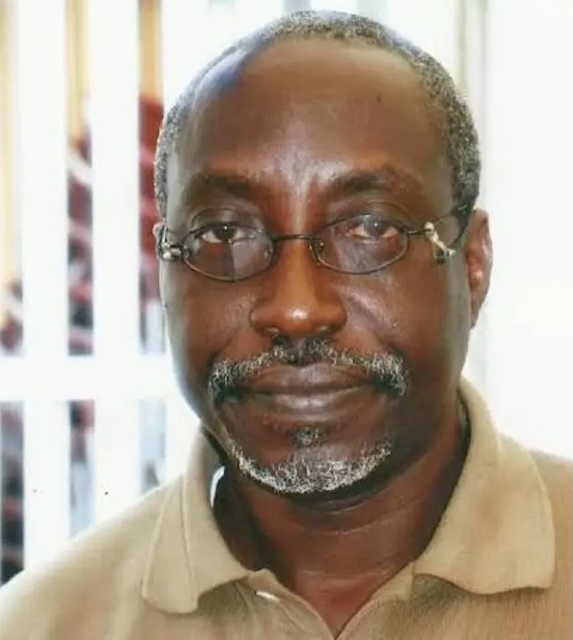

Former President Olusegun Obasanjo.
…Obasanjo continues to captivate Nigerians. He has not just watched history; he has made it, told it, challenged it, and has become a key part of it. Few leaders have been involved in so many critical moments in our country’s story. Even fewer have drawn such lasting admiration and ongoing debate.
History usually treats the dead better than the living. It smooths out rough parts, softens tough judgments, and with time, can turn flawed leaders into heroes. But some public figures refuse to be simplified. They remain both admired and debated long after they leave office. Nigeria’s former President, General Olusegun Aremu Obasanjo, is one of those figures.
For over sixty years, Obasanjo has been at the center of Nigeria’s political changes. He has been a soldier, a civil war commander, a military head of state, a prisoner, a democratically elected president, an international figure, a farmer, an author, and a constant voice on national issues. Few Nigerians have been part of so many key moments in our history. Even fewer have kept shaping national discussions after leaving office.
His supporters praise him as the leader who gave up power to an elected civilian government in 1979, came back from prison to help Nigeria's damaged international image in 1999, secured important debt relief, pushed for economic changes, and never retired when he felt the nation was losing its way.
His critics tell a different story. They see a leader who often acted like the country's moral guide while leaving behind a long list of fights with military colleagues, political allies, intellectuals, party leaders, business people, and even old friends. They wonder if history is showing a pattern of conflicts in how he used power.
That question, not just praise or blame, is what this piece aims to explore.
History rarely cares about single events. One problem might be seen as a misunderstanding. Two might be brushed off as coincidence. But when issues keep coming up in military service, civilian leadership, party politics, public engagement, and policies over more than fifty years, history must ask if they reveal a pattern. This isn’t an attack. It’s a compliment from history to those who shape a nation’s future.
The Nigerian civil war gives an early example. General Benjamin Adekunle, known as the “Black Scorpion,” is one of Nigeria’s most respected commanders. Yet, debates over military strategy, recognition, and the stories of the war have gone on for years. Obasanjo’s role at the end of the war and his later writings made him a key player in that history. Competing stories and accounts keep important questions alive about military leadership and memory. These questions deserve careful thought, not emotional responses.
The June 12 crisis is another lasting issue. Chief MKO Abiola’s annulled election is perhaps the deepest wound on Nigeria’s democratic history. Obasanjo didn’t cause that tragedy, but his rise as civilian president in 1999 placed him in that larger historical context. For many, his presidency meant healing after years of military rule. For others, it showed that the June 12 struggle wasn’t fully resolved. These different views still need serious historical consideration, not political bias.
Then came the famous statement that the 2007 election would be a “do-or-die affair.” Supporters said it showed political determination. Critics saw it as a troubling phrase that could encourage violence in a fragile democracy. Presidents are judged by their decisions and their words.
Obasanjo’s clashes with Professor Wole Soyinka also go beyond personal issues. They weren’t just exchanges between a politician and a critic. They showed a bigger fight over accountability, public morals, and the limits of power. When two major figures publicly challenge each other, historians should ask what these moments say about leadership in a democracy.
Within the Peoples Democratic Party, the pattern became clearer. Audu Ogbeh’s resignation as national chairman was more than just an internal party matter. His resignation letter raised serious questions about presidential power and the independence of political parties. Chuba Okadigbo’s removal as Senate president and Evan Enwerem’s earlier experiences also highlighted the tough relationship between executive power and legislative independence in the early years of the Fourth Republic. Atiku Abubakar’s shift from trusted deputy to major political rival marked one of the biggest political breaks in modern Nigeria.
Beyond individual actions, policy issues have also become part of Nigeria's history. The Sagem national identity card project faced years of public scrutiny. The Mambilla power project has been stuck in court cases, official inquiries, and conflicting claims involving former officials, including Olu Agunloye. Whether all allegations will stand up to legal and historical review is not the main point. The key issue is that decisions made at the highest government levels continue to invite examination because they impacted national institutions and public trust.
The Olusegun Obasanjo Presidential Library is another telling example. Worldwide, presidential libraries keep historical records and honor public service. But in Nigeria, the funding model used for the project sparked ongoing public debate about political influence, private donations, and public opinion. Supporters see it as a visionary national institution. Critics question if the line between voluntary support and official influence is always clear. No matter one’s stance, the debate itself is now part of Nigeria’s history.
Then came the famous statement that the 2007 election would be a “do-or-die affair.” Supporters said it showed political determination. Critics saw it as a troubling phrase that could encourage violence in a fragile democracy. Presidents are judged by their decisions and their words. Public language often takes on a life of its own, shaping views long after the moment passes.
Nor did the controversies stop when his presidency ended. His often tough relationships with political leaders in later governments, including Bola Ahmed Tinubu, show that retirement hasn’t reduced his influence or his willingness to engage in national issues. Through books, interviews, public talks, or his famous open letters, Obasanjo has kept participating in Nigeria’s democratic discussions. This ongoing involvement ensures he is not just a figure in history; he is one of its active players.
Ironically, one of the best sources to understand Obasanjo is Obasanjo himself. Through My Command, Not My Will, This Animal Called Man, and My Watch, he has shared his thoughts on leadership, public duty, faith, and national service. These books are valuable additions to Nigeria’s political writings. But memoirs, while insightful, are personal stories. They explain but do not finish the conversation. They should be read alongside official documents, court findings, parliamentary records, the writings of contemporaries, and independent historical studies. That is how mature societies tell the difference between memory and evidence.
None of this should overshadow Obasanjo’s clear accomplishments. He led Nigeria back to civilian rule in 1979 and honored that transition by handing over to an elected government. Two decades later, he took office in one of the toughest times for Nigeria’s democracy, restoring international trust after years of military rule. His government secured debt relief, pushed for important economic changes, and repositioned Nigeria on the global stage. These achievements deserve their place in Nigeria’s history.
…any evaluation of Olusegun Obasanjo must avoid two mistakes. The first is blind praise that turns every choice into unquestionable wisdom. The second is knee-jerk negativity that dismisses every success due to political disagreements. Neither approach helps history. Neither helps Nigeria.
But mature democracies do not honor great leaders by putting them beyond critique. They honor them by looking at them honestly. Greatness should not protect one from historical examination. If anything, it creates a bigger duty to assess the use of power fairly, thoroughly, and with proper documentation.
This is why any assessment of Olusegun Obasanjo must avoid two mistakes. The first is blind praise that turns every choice into unquestionable wisdom. The second is knee-jerk negativity that dismisses every success due to political disagreements. Neither approach helps history. Neither helps Nigeria.
Historians, journalists, and thinkers have a job that is both easy and tough: to follow the facts wherever they lead. When the records support praise, let it be given freely. When they justify criticism, let criticism be made honestly. When the evidence is incomplete or disputed, let honest questions stay open until stronger facts come up.
That’s why Obasanjo continues to capture the Nigerian imagination. He has not just watched history; he has made it, told it, challenged it, and has become a key part of it. Few leaders have held so many key moments in the life of a nation. Even fewer have sparked such lasting admiration and ongoing debate.
History is still working on the Obasanjo story. Maybe it never will finish. But it has reached a point where just celebrating him is not enough and just condemning him is not adequate.
In the end, history cares little for reputations built carefully or criticisms made passionately. It sees no political loyalties or personal grudges.
History asks just one question: What does the evidence show?
Drop your comment
No comments yet — be the first to drop the gist 👇