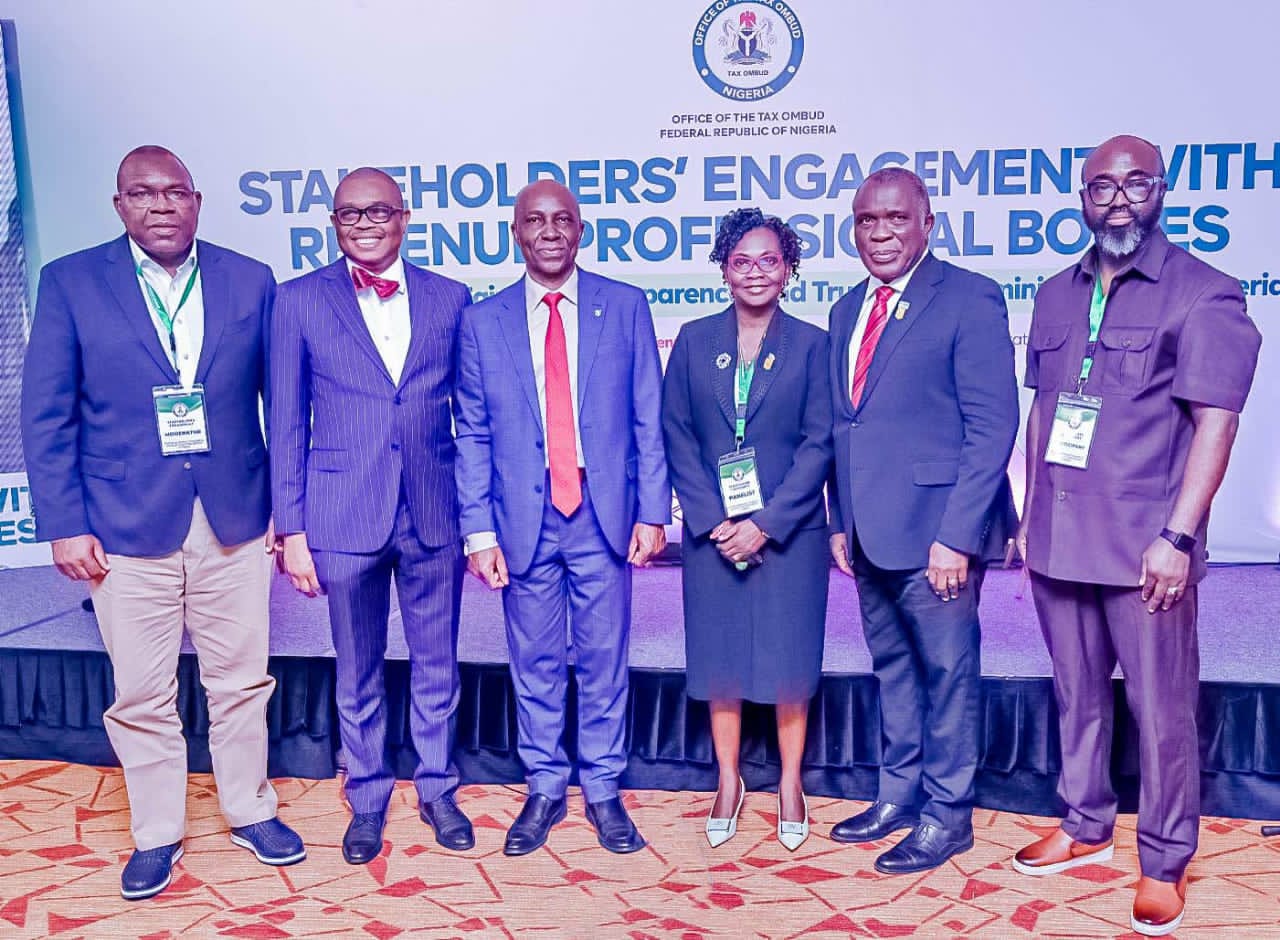
The Office of the Tax Ombud (OTO) is calling for a fairer tax system. They want better protection for taxpayers and more accountability from revenue agencies. They believe that public trust is key to getting more people to pay their taxes in Nigeria.
At a meeting in Lagos on Thursday, John Nwabueze, the Chief Executive of the Tax Ombud, spoke about the need for good tax administration. He said that it is not just about laws and enforcement but also about building public trust.
The event was called “Promoting Fairness, Transparency and Trust in Nigeria.” It focused on improving the relationship between taxpayers and the government. Mr Nwabueze said that citizens are more willing to pay taxes when they see the tax system as fair, open, and accountable.
He explained that the OTO was set up to follow global best practices. This shows Nigeria's commitment to creating an independent body that protects taxpayers' rights. Since starting, the office has built its governance and operational frameworks. They have also developed policies and complaint procedures and engaged with stakeholders in both the public and private sectors to handle taxpayer issues.
The office has also created a digital complaint management system to make it easier for people to access its services. They have started taxpayer education programs, a toll-free call center, a website, and a case management system.
“The OTO aims to boost voluntary tax compliance while restoring confidence in taxpayers and revenue agencies,” Mr Nwabueze said. “We want to ensure that every taxpayer, be it an individual, a small business, or a multinational company, is treated fairly and respectfully.”
He mentioned that the office is learning from other tax ombud institutions in countries like South Africa, Canada, Australia, Pakistan, Kenya, and the UK to adopt best practices.
Mr Nwabueze called for a continuous national education campaign about taxes. He wants this campaign to involve federal and state revenue agencies, schools, professional bodies, and community groups. He said tax education should happen regularly, in local languages, and through digital platforms, radio, TV, and social media.
“A confident taxpayer is more likely to comply voluntarily and help national development,” he added. He stressed that the strength of a country’s tax system relies on public confidence in its institutions. “Fairness encourages compliance. Transparency inspires confidence. Trust strengthens legitimacy. These three values go together.”
Taiwo Oyedele, the Minister of Finance and Coordinating Minister of the Economy, was represented by his Special Adviser on Revenue, Olufemi Olarinde. He said Nigeria needs a tax system that is clear and consistent. He suggested that the system should be digitized and streamlined to cut down on corruption and inefficiency. This would give both taxpayers and the government clarity on their responsibilities.
“If we get fairness, digitization, and harmonization right, we will earn the trust of our citizens,” Mr Olarinde explained. He added that the OTO was created to assure citizens of a fair tax system. “Taxpayers deserve a fair hearing when disputes come up.”
Abdul-Kabir Ogungbo, the Lagos State Governor’s Special Adviser on Taxation and Revenue, called the tax ombud a timely initiative. He said Lagos State is using digital tools to make tax processes easier and reduce revenue loss. He highlighted tools like the Lagos Revenue Portal and reforms approved by the Joint Revenue Board to improve fairness under the Nigeria Tax Act.
Olusegun Adesokan, the Executive Secretary of the Joint Revenue Board, spoke about the issue of multiple taxation. He said the Taxes and Levies Act tackles illegal tax collection and requires states to use technology in tax administration. Mr Adesokan emphasized that public awareness would help reduce multiple taxation and promote transparency, which requires collaboration from all stakeholders.
During a panel discussion, Afam Osigwe, the President of the Nigerian Bar Association (NBA), said tax laws should be simple for taxpayers to understand. He warned that taxes should not take too much of a person’s income and that disputes need quick and low-cost solutions.
“We need a digitized tax system that makes compliance easy. If tax laws are complicated, compliance will be hard,” the NBA president said. He pointed out issues like multiple taxation and illegal collection as key areas for the Tax Ombud to address, saying that “some so-called taxes end up in private pockets.”
Olumuyiwa Adebayo, the Chairman of the Committee of Finance Experts at the Nigeria Employers’ Consultative Association (NECA), urged the tax ombud to tackle repeated audits by different units within the Nigeria Revenue Service (NRS). “Within the same service, different departments sometimes audit the same issue at the same time, which discourages businesses from complying,” he said.
Etofolam Osuji, the Vice President of the Institute of Chartered Accountants of Nigeria (ICAN), said accountants need to make sure their financial statements are accurate. “Not every inflow is profit. Expenses must also be recognized,” he said.
Titilayo Fowokan, Deputy Vice President of the Chartered Institute of Taxation of Nigeria (CITN), agreed that the tax ombud gives taxpayers a way to lodge complaints, which helps build trust. She called for stronger advocacy for taxpayers. Many businesses still do not know their tax responsibilities and rights. “If taxpayers know their duties and are treated fairly, compliance costs will drop for everyone,” she said, urging the office to keep promoting taxpayers’ rights so people can complain without fear.
Drop your comment
No comments yet — be the first to drop the gist 👇