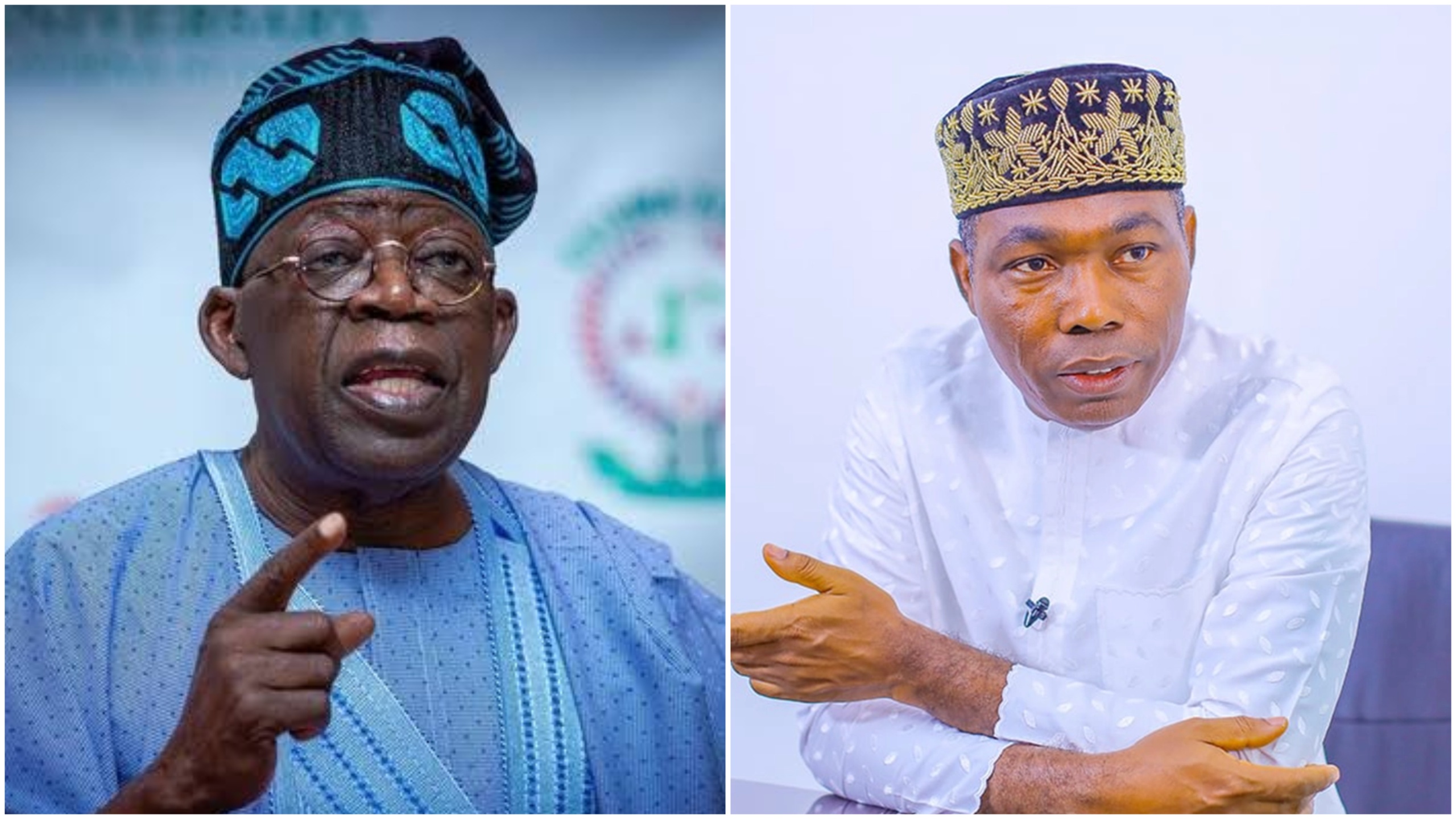
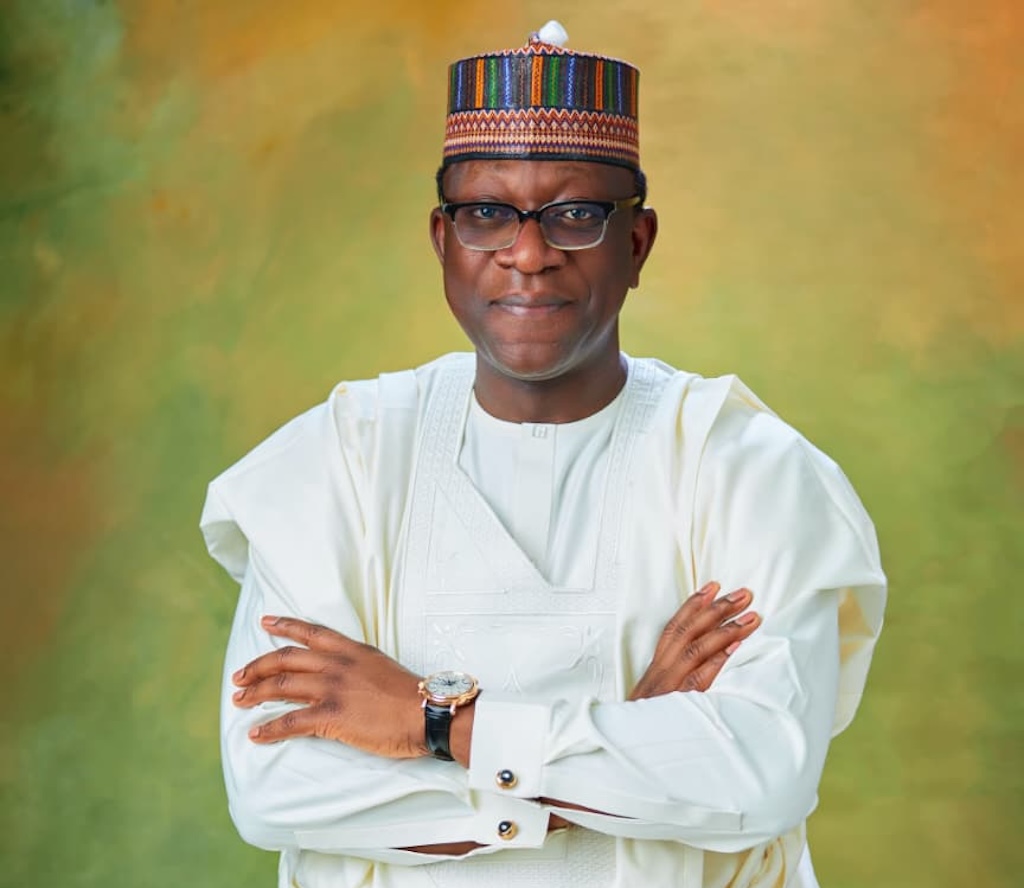
The presidential candidate of the Social Democratic Party (SDP), Adewole Adebayo, has criticized President Bola Tinubu for not attending the signing of the National Peace Accord before the 2027 general elections.
Mr Adebayo said that President Tinubu’s absence showed a lack of commitment to peace. He believes it sends a bad message to security agencies as the elections approach.
He made these comments during an interview on Channels Television’s Politics Today on Tuesday.
“President Tinubu not showing up today, he is showing that he is not committed to peace. He is sending a wrong signal to law enforcement, for the people who work for the government, that the President looks like he is not committed enough,” Mr Adebayo stated.
He urged the President to explain why he missed the event and reassure Nigerians of his dedication to the peace process.
“So, he needs to correct that by making a clear statement explaining why he is absent and making sure that he makes a statement committing himself to the peace process,” he added.
On Tuesday, presidential candidates and representatives of political parties gathered in Abuja to sign the National Peace Accord ahead of the 2027 elections.
The accord, organized by the National Peace Committee, commits political parties, candidates, and other political figures to run their campaigns peacefully. They agree to avoid hate speech and violence and to accept the election results or address complaints through legal means.
The initiative started in 2014, ahead of the 2015 general elections. This was due to fears that the polls could lead to violence. The national peace committee, which former Head of State Abdulsalami Abubakar leads, was set up to ensure compliance with the agreement and to promote good sportsmanship in elections.
The first major national accord was signed in January 2015 by top presidential candidates, including then-President Goodluck Jonathan of the Peoples Democratic Party (PDP) and Muhammadu Buhari of the APC. The agreement was significant as it came four years after the 2011 post-election violence that led to many deaths. The candidates agreed to run peaceful campaigns and accept election results.
Since then, the peace accord has been signed before every general election. But it was noticeable that President Tinubu, the presidential candidate of the All Progressives Congress (APC), and Atiku Abubakar, the candidate of the African Democratic Congress (ADC), were absent from Tuesday's signing.
Mr Tinubu was represented by the Secretary to the Government of the Federation, George Akume. Those who attended included Peter Obi of the National Democratic Congress (NDC), Omoyele Sowore of the African Action Congress (AAC), Donald Duke of the Peoples Redemption Party (PRP), and Mr Adebayo of the SDP.
The Chairman of the Independent National Electoral Commission (INEC), Joash Amupitan, also attended. The National Peace Committee, a non-governmental group that facilitates peace accords among political leaders, organized two separate occasions for presidential candidates to sign peace accords before the 2023 elections.
While Mr Tinubu missed one event, where he was represented by his then-running mate, Kashim Shettima, he attended the other one personally.
The first accord was signed on September 29, 2022. Mr Tinubu was not there, but Mr Shettima stood in for him. Other candidates like Atiku of the PDP and Rabiu Kwankwaso of the New Nigeria Peoples Party (NNPP) signed it in person. At that time, Mr Tinubu was said to be in the UK.
The second signing was on February 23, 2023, just two days before the presidential election. This time, Mr Tinubu attended, along with Atiku, Mr Kwankwaso, Mr Sowore, and others.
Past elections show that the peace accord has had some positive effects, even though it has not completely stopped electoral violence or ensured full compliance by politicians.
The 2015 election is a clear example of its potential impact. The late Buhari won against Mr Jonathan, who conceded before the final results were out. This concession helped avoid the violence that many feared, while the National Peace Committee encouraged discussions between the leading candidates and discouraged aggressive campaign tactics.
Analysts have pointed out that the peaceful outcome came from several factors. These include the restraint of political actors and the influence of bodies like INEC and the National Human Rights Commission, not just the peace accord.
In 2019, political parties and candidates signed the accord again, with it being signed twice during the election season. The Peace Committee noted that its efforts helped reduce violence, though the elections still had some violent incidents.
The situation was more complicated in 2023. Political parties and candidates signed the first accord in September 2022 and another before the presidential election. Despite these agreements, the National Peace Committee noted many violations. They reported that party spokespersons made up 44% of the violations, party members 26%, presidential candidates 19%, hardcore supporters 11%, and party chairmen 4%.
Still, the Peace Committee claimed that the accord helped prevent widespread violence after the elections. Instead of resorting to violence over disputed results, many candidates and parties chose to address their issues in court.
Independent assessments showed that electoral violence still occurred during the 2023 election cycle despite the peace agreements. This suggests that the accord is better at encouraging dialogue, restraint, and conflict prevention rather than being a foolproof way to stop electoral violence. Its success depends on whether political candidates, their parties, supporters, and state institutions stick to their commitments.
Mr Adebayo argued that President Tinubu should have prioritized attending the peace accord event for the sake of national security and Nigeria’s democracy.
He called for a free, fair, and credible election.
“There is no issue of state grandeur than the President showing that democracy is important. There is no more national security than the continuity of the state. The state has to exist and a free, fair and credible election is important for establishing civil government.
“I don’t see any reason why President Tinubu, who works and lives in Abuja and who has the power to influence the date when the event will be signed and who assured that he would come, I see that President Tinubu has been missing in action,” he added.
Drop your comment
No comments yet — be the first to drop the gist 👇