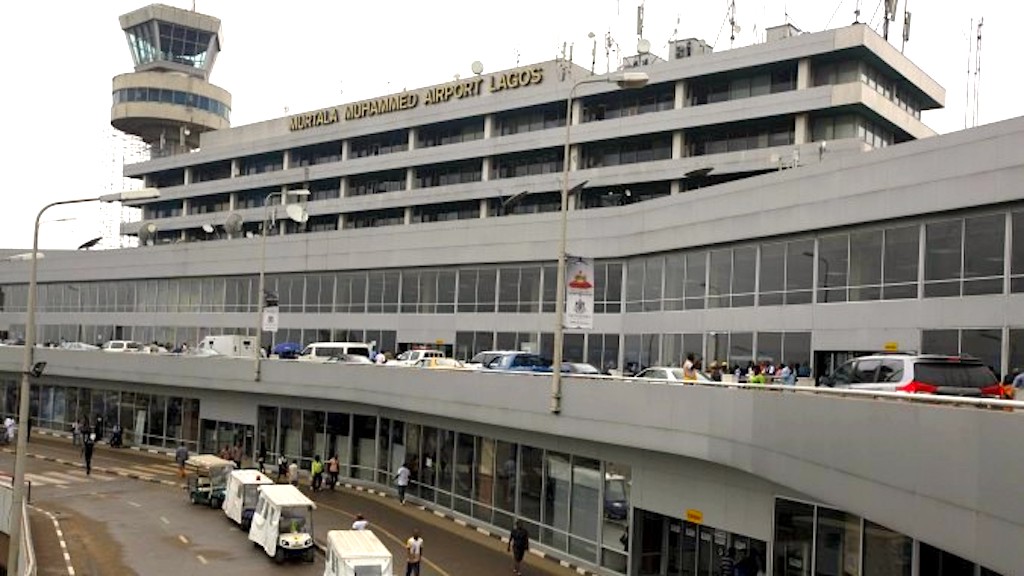
Almost six out of ten domestic flights by Nigerian airlines were delayed in August, a new report from the Nigeria Civil Aviation Authority (NCAA) shows. This highlights the struggles air travellers face across the country.
The NCAA recorded 7,961 domestic flights that month, with 4,765 of them delayed. This means about 60 percent of flights did not take off on time.
The report also noted that there were 36 cancelled flights in August.
These numbers came out just after the NCAA warned airlines about constant flight delays, crew shortages, and other issues. They urged airlines to align their schedules with the aircraft and crew they have available.
Even though many flights were delayed, most delays were for a short time.
According to the NCAA, 2,801 flights were delayed between 16 minutes and one hour. Another 1,322 flights faced delays of one to two hours.
But the situation worsened for many flights. A total of 407 flights were delayed by two to three hours, and 235 flights were delayed for three hours or more.
This means over 600 flights made passengers wait for at least two hours during the month.
The report shows that the delays were spread across several airlines, but some airlines had more delays than others.
Air Peace Has Most Delays
Air Peace had the highest number of delayed flights, with 1,330 delays out of 1,864 flights operated in August. That is about seven out of ten flights by Air Peace.
Of its delayed flights, 666 were delayed by 16 minutes to one hour, 400 by one to two hours, 156 by two to three hours, and 108 for three hours or more.
The airline also had seven cancellations.
United Nigeria Airlines came next with 943 delayed flights out of 1,231 flights. Their numbers show that 442 flights were delayed by 16 minutes to one hour, 344 by one to two hours, 116 by two to three hours, and 41 for three hours or more.
United Nigeria had the most cancellations, with eight flights cancelled in August.
Enugu Air followed with 582 delayed flights from 878 operations. This included 343 delays of 16 minutes to one hour and 46 delays lasting three hours or more. The airline recorded four cancellations.
Value Jet had 435 delays from 767 flights. Ibom Air had 254 delays from 560 flights.
Aero recorded 246 delays from 469 flights, while Rano Air had 216 delays from 503 flights.
Max Air had 204 delays from 336 flights, while Arik recorded 188 delays from 301 flights.
Other airlines had fewer delays. Overland had 139 delays from 239 flights, Green Africa recorded 114 delays from 226 flights, Binani had 22 from 57 flights, XE Jet had 40 delays from 127 flights, and UMZA Air recorded 52 delays from 403 operations.
The NCAA reported no flight operations for NGEagle during the month.
NCAA Calls for Better Planning
These figures come as the NCAA pushes airlines to handle flight disruptions better.
In meetings with Air Peace and Max Air at the NCAA office in Abuja on September 10, Chris Najomo, the Director-General of Civil Aviation, questioned how effective the airlines' plans were given the ongoing delays and cancellations.
While he recognized that weather, diversions, and airport restrictions can affect flights, Mr Najomo stressed that airlines need to plan better and have good backup plans.
He also asked for better communication with passengers when delays happen.
At the meeting, Oluwatoyin Olajide, the Chief Operating Officer of Air Peace, said the airline has 20 aircraft, with five grounded and 15 in service. The airline operates between 80 and 85 flights daily to reduce disruptions.
She mentioned that some recent problems were due to technical issues like bird-strike damage, lack of aircraft parts, and a cracked windshield, as well as weather and airport restrictions.
Raymond Omadiagbe, General Manager of Max Air, said they have three Boeing 737 aircraft for domestic flights, all of which are working. But only two are in use right now because of crew shortages.
The airline has cut its flight schedule to match its available resources and stopped late-night operations in Kano based on passenger feedback.
Both airlines pointed out that keeping pilots is one of the challenges they face.
The NCAA said it is supporting training arrangements and looking at ways to help foreign crew validation, stressing the importance of checking licenses and simulators.
Mr Najomo said the NCAA will keep supporting airlines but expects them to keep realistic schedules, follow aviation rules, and improve care for passengers.


Drop your comment
No comments yet — be the first to drop the gist 👇